The choice of materials is fundamental to creating public spaces that endure over time and respect the environment.
At Parqude, we believe the future of urbanism lies in integrating solutions that are not only functional and aesthetic but also environmentally responsible. The trend towards materials from renewable or recycled sources is transforming the industry.
Beyond Traditional Wood and Metal
While treated wood and galvanized steel remain pillars, new composites are gaining ground:
- Post-consumer recycled plastics: Sourced from bottles and containers, they are transformed into boards extremely resistant to weathering, ideal for benches and fences.
- Natural fiber composites: Mixtures of bamboo, flax, or hemp fibers with biodegradable polymers, offering a unique texture and a reduced carbon footprint.
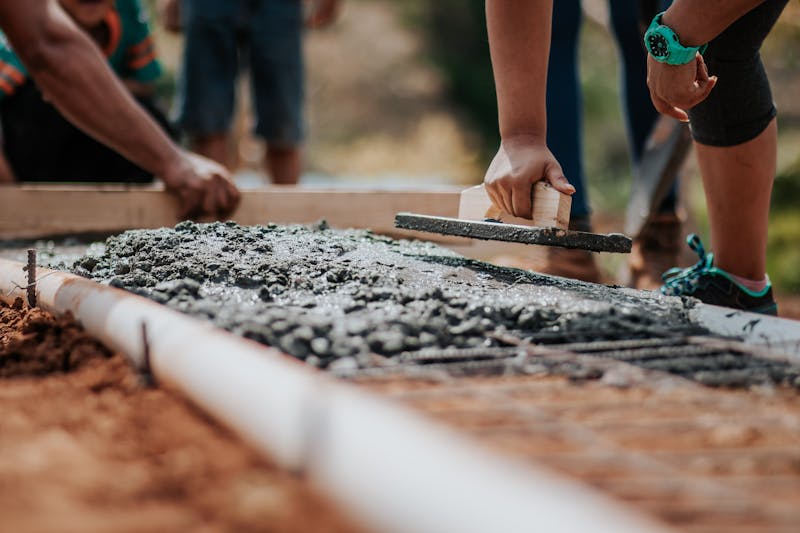
- Concrete with low permeability and high solar reflectance: Reduces the urban "heat island" effect and increases the durability of pavements and structures.
Selection Criteria in Our Projects
Our selection process is based on three fundamental pillars:
- Full Life Cycle: We analyze from the extraction of raw materials to their possible reuse or recycling at the end of their useful life.
- Resistance and Low Maintenance: Materials must withstand extreme weather conditions and intensive use, minimizing the need for repairs.
- Aesthetic Integration: We seek for sustainability not to compromise design, but to enrich it with new textures and natural colors.
Practical example: In the renovation project for the Santander Promenade, we used benches made from recycled ocean plastic and streetlights with structures made from aluminum containing 70% recycled content, demonstrating that innovation and sustainability can go hand in hand.
Investing in quality, sustainable materials is not an expense, but a guarantee of durability, long-term maintenance savings, and, above all, a tangible contribution to creating greener, more livable cities.