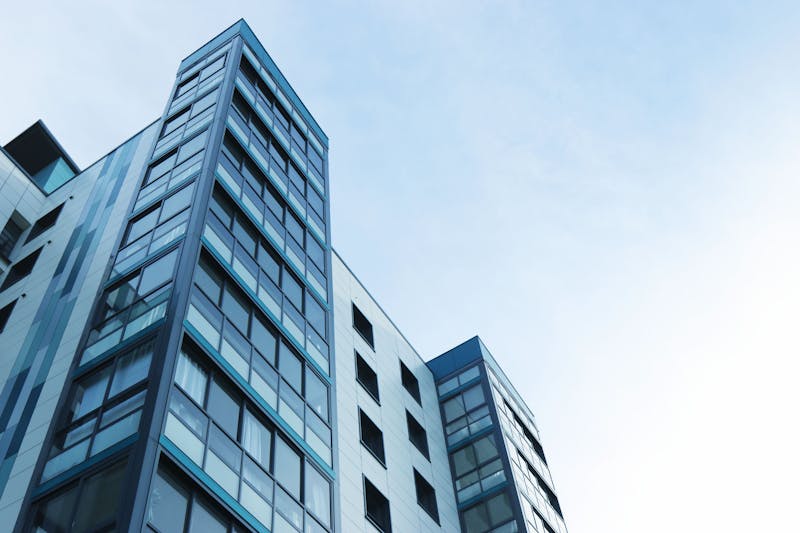
The evolution of cities demands a symbiosis between the built environment and natural ecosystems. This post explores strategies for incorporating biodiversity and natural elements as pillars of functional urban planning.
Beyond Traditional Parks
Natural integration is no longer limited to isolated green areas. We are talking about urban biological corridors, green roofs on public buildings, sustainable drainage systems (SUDS) that mimic natural cycles, and the selection of native species for living urban furniture.
Materials that Dialogue with the Environment
The choice of materials is crucial. Priority is given to those with high durability and low impact, whose texture and coloration (stone gray and forest green tones) harmonize with the landscape, reducing the visual footprint and promoting a sense of belonging.
"A resilient city is one that learns from natural processes and incorporates them into its infrastructure, not as an ornament, but as a functional system."
Tangible Benefits
- Improved air quality and mitigation of the heat island effect.
- Increased local biodiversity and habitat creation.
- Strengthened social well-being and community cohesion.
- More efficient and sustainable management of rainwater.
The future of urbanism involves understanding the city as a complex ecosystem. At Parqude, we apply these principles in every furniture and planning project, always seeking that essential balance between functionality, aesthetics, and nature.